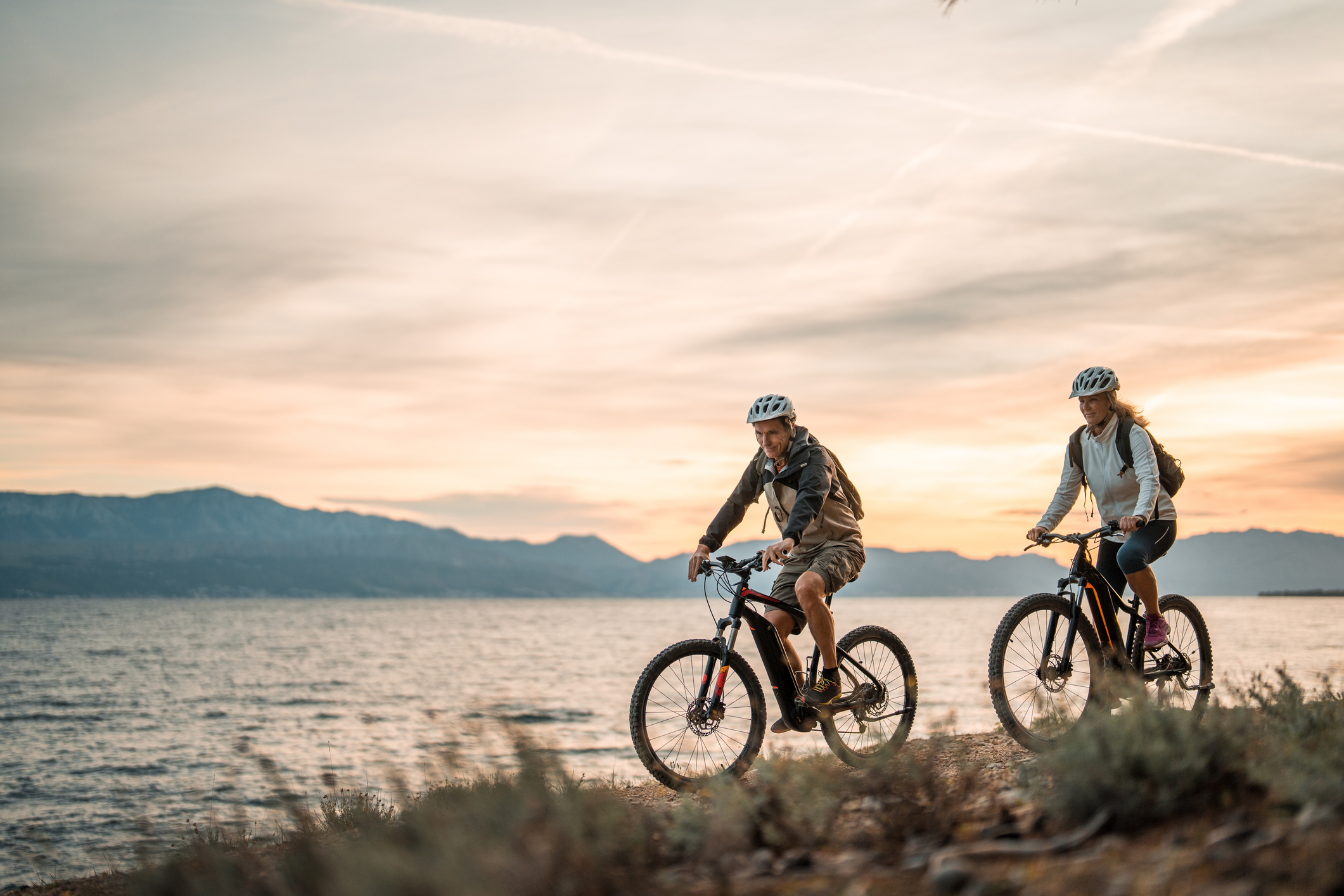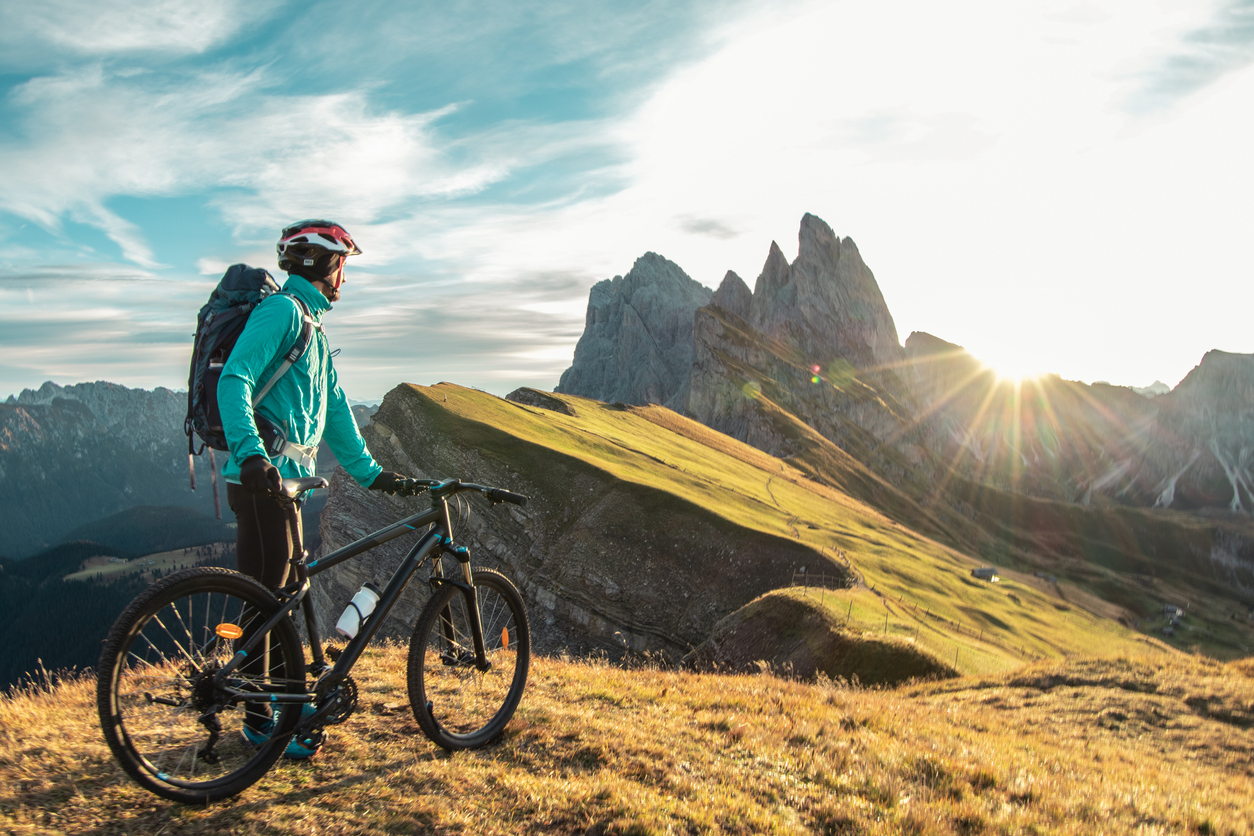
In recent years, the desire to explore new destinations on two wheels has continued to grow. Whether it means tackling the legendary Alpine passes, taking part in an international gran fondo or following cycling routes across Europe, travelling by bike means experiencing a destination in an authentic way. For many cycling enthusiasts, bringing their own bike along is an integral part of the experience.
However, alongside the excitement of setting off, there is a less visible but equally important aspect: managing the logistics of your bike. For many cyclists, travelling with their own bicycle comes with questions, unexpected issues and organisational challenges.
In this article, we look at the main challenges involved in transporting a bicycle and how effective logistics management can simplify the organisation of a trip, leaving cyclists free to focus on what really matters: enjoying the ride.
Travelling with Your Own Bike: A Natural Choice, but Not Always a Simple One
When planning a holiday or a trip for a race, one of the first alternatives often considered is renting a bike at the destination. However, for an experienced or passionate cyclist, their own bike is more than just a means of transport: it is closely connected to the way they ride:
- Bike setup and biomechanics: saddle, handlebars, pedals and other settings are customised to suit individual needs.
- Familiarity with the bike: riding a bike you know means being familiar with its brakes, gearing, tyres and handling.
- The personal connection: tackling a route, race or new adventure on your own bike makes the experience even more personal.
Bringing your own bike can therefore be the most natural choice. But it also means dealing with a number of logistical aspects that are best planned in advance.
What Are the Main Challenges for Cyclists Travelling with Their Bikes?
The complexities of transporting a bicycle do not necessarily begin at the airport or train station. They often start at home, while preparing for the trip.
1. The Challenge of Packing and Disassembling the Bike
Removing the handlebars, pedals and wheels and properly preparing the bike for transport takes time, care and the right tools. For anyone who is not particularly familiar with these operations, the concern of tightening something incorrectly or damaging the frame while packing can turn preparation into a source of worry.
2. Managing Transport and Protecting the Bike
Whether travelling by plane, train or other means of transport, taking a bicycle on a trip requires specific arrangements. Oversized luggage, handling, loading and unloading are all aspects that need to be considered when planning a trip with your own bike.
The concern of reaching your destination and finding your bicycle in the same condition in which it was handed over is another factor to take into account.
3. Carrier Costs and Restrictions
Every airline or railway operator may have different rules, weight and size limits, and fees for transporting sports equipment. Before setting off, cyclists may therefore need to check:
- any additional fees for transporting the bicycle;
- the procedures and conditions for booking dedicated space;
- weight and size limits;
- compatibility with the vehicle chosen for getting around at the destination.
These factors can make planning more complex, especially when a trip involves multiple legs or different means of transport.
4. The Last-Mile Logistics
Once you arrive at your destination, one final question remains: how do you get to your hotel or chosen accommodation with your bike, bike case and personal luggage?
Moving bulky bike luggage through train stations, airports, shuttles, taxis or local transfers can add another layer of complexity to a trip that should instead begin smoothly.
From Complexity to Simplicity: When Logistics Make the Difference
More and more cyclists, as well as tour operators, bike hotels and event organisers, are recognising logistics management as an integral part of the travel experience.
Entrusting your bicycle transport to a specialised partner can simplify several stages of the organisation process:
- Less to carry during your trip: no need to manage bulky bike cases during airport or train transfers.
- More freedom when travelling: the bike can be sent directly to the destination according to the agreed arrangements.
- Planning and tracking: the shipment is organised and monitored throughout its journey.
- Greater flexibility: the service can be adapted to the needs of a holiday, race or professional activity.
The goal is not simply to move a bicycle from one place to another, but to make the entire logistics experience easier.
Ship To Cycle: Simplifying Bike Logistics
This is exactly the need that led to the creation of Ship To Cycle, a specialised partner for bicycle logistics and shipping.
Ship To Cycle selects the best transport solutions available on the market and manages the entire shipping process, choosing the options best suited to each individual customer’s needs.
From collection to delivery, every stage is coordinated and monitored through a single point of contact.
The service allows customers to arrange door-to-door shipments to homes, hotels, bike hotels, shops or other agreed destinations, both in Italy and internationally.
Key benefits include:
- Tracking: monitoring the shipment throughout its journey.
- Protection: the option to add Full Protection Coverage / All-Risk coverage for additional protection of the bicycle.
- Flexibility: solutions for personal trips, business travel, races, training camps and events.
- Domestic and international coverage: shipping solutions to different destinations according to the customer’s needs.
- A single point of contact: from booking to delivery, Ship To Cycle coordinates the process and monitors the transport.
Travel with Your Own Bike, Without Complicating Your Trip
Bringing your own bicycle means being able to ride the bike you know and experience every destination at your own pace. Logistics, however, should not become an obstacle to the experience.
Specialised transport management can reduce organisational complexity and leave more room for what really matters: the route, the scenery and the pleasure of riding.