Over the past few years, the bicycle market has undergone a profound transformation. Until recently, buying a bike almost always meant visiting a trusted local bike shop or purchasing within your own region. Today, however, the industry has become increasingly international, digital, and interconnected.
The growth of e-commerce, specialized marketplaces, and demand for premium and pre-owned bicycles is reshaping the way manufacturers, bike shops, and consumers buy and sell bikes. This shift is not only changing commerce itself but also logistics, which now plays a crucial role in supporting an increasingly borderless market.
In this article, we explore the key trends driving the expansion of the bicycle market and explain why specialized logistics has become a strategic factor for the future of the cycling industry.
The Bicycle Market Is Looking Beyond National Borders
According to CONEBI (the Confederation of the European Bicycle Industry), the European bicycle market remains one of the largest and most important in the world, with millions of bicycles sold each year and an ecosystem that includes manufacturers, retailers, tour operators, marketplaces, and dedicated service providers.
At the same time, consumer behavior has changed significantly.
Today, cyclists are far more willing to purchase a bicycle from another European country if it allows them to find:
- the model they want;
- the right frame size;
- a more competitive price;
- a specific specification or build;
- a certified pre-owned bicycle.
The market is no longer local—it is European.
The Rise of Specialized Marketplaces
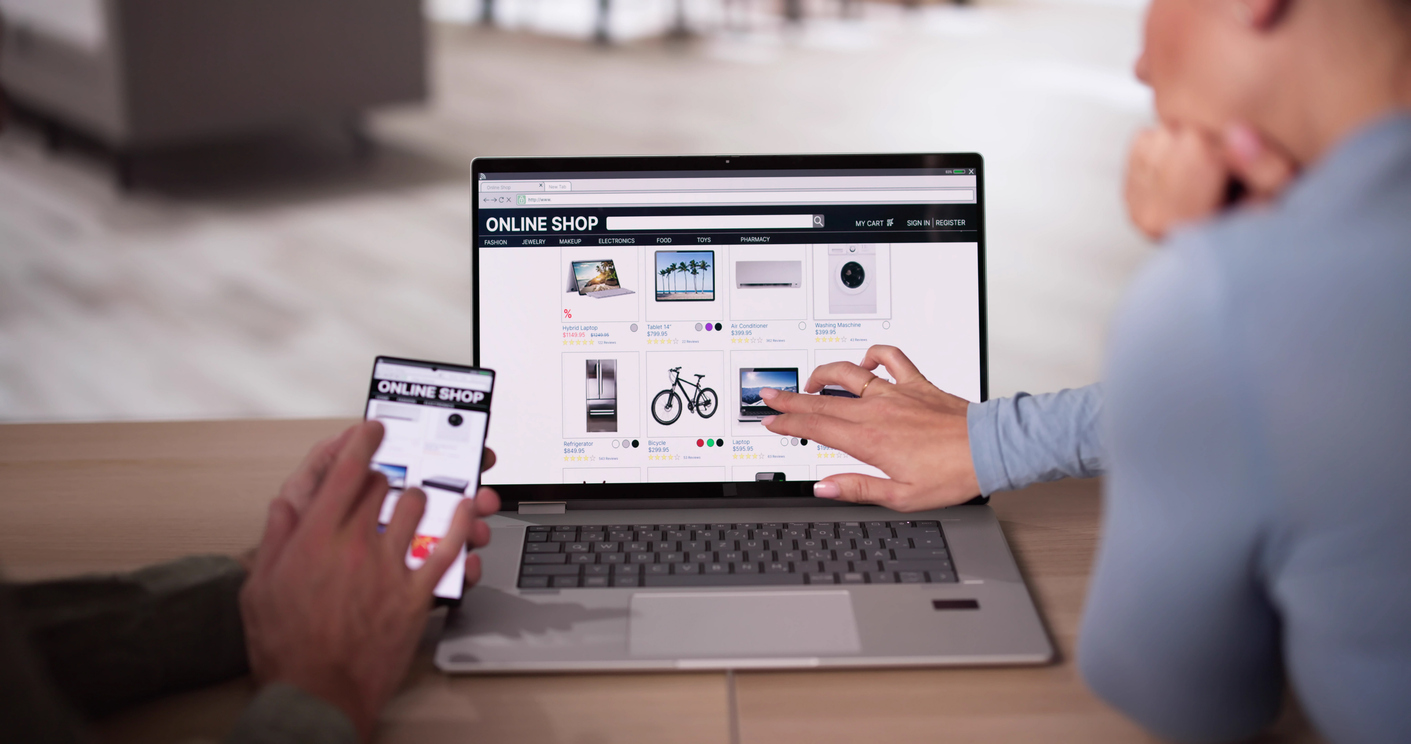
One of the key drivers behind this evolution has been the rapid growth of platforms dedicated to buying and selling bicycles.
Specialized marketplaces now connect buyers and sellers across different countries in a simple and secure way, dramatically expanding the potential customer base.
This model offers several tangible advantages:
- greater choice for buyers;
- access to larger markets for sellers;
- increased visibility for premium bicycles;
- faster inventory turnover for bike shops and retailers.
According to Statista, e-commerce continues to grow within the sporting goods sector, confirming a trend that is increasingly influencing the cycling industry as well.
The Second-Hand Bicycle Market Is Becoming International
The market for pre-owned bicycles is experiencing remarkable growth.
More and more cyclists are choosing high-end used bikes, driven by several factors:
- sustainability;
- affordability;
- availability of hard-to-find models;
- the opportunity to purchase premium bicycles at competitive prices.
The result is clear: a bicycle that only a few years ago would have remained within its local market can now easily find a buyer hundreds or even thousands of kilometers away.
For bike shops and retailers, this represents a significant opportunity to expand their potential customer base.
Bike Shops No Longer Sell Only Locally
The role of the traditional bike shop is also evolving. More and more retailers are complementing their physical stores with:
- proprietary e-commerce websites;
- specialized marketplaces;
- social media sales channels;
- B2B platforms;
- international online marketplaces.
This enables them to reach customers who would have been virtually impossible to serve just a few years ago.
A bicycle that remains unsold in Italy may quickly find a buyer in the Netherlands.
A highly sought-after model in Germany might already be available at a bike shop in Spain.
Inventory is becoming a European resource.
International Cycling Tourism Is Also Growing
The expansion of the market goes beyond bicycle sales alone.
According to the European Cyclists’ Federation (ECF), cycling tourism remains one of Europe’s fastest-growing tourism sectors, generating an estimated economic impact of more than €44 billion annually.
At the same time, an increasing number of cyclists want to travel with their own bicycles. This trend is creating new opportunities for:
- tour operators;
- cycling events;
- bike-friendly hotels;
- bike shops;
- specialized logistics providers.
Logistics Is Becoming a Competitive Advantage
As the market expands, the need for efficient logistics becomes increasingly important.
Bicycles are large, delicate, and high-value products. Shipping them requires specialized expertise that goes far beyond standard parcel delivery.
For this reason, more companies in the cycling industry are seeking logistics partners capable of providing:
- dedicated bicycle shipping;
- international transportation;
- door-to-door delivery;
- marketplace fulfillment support;
- retail logistics solutions;
- services for tour operators and cycling events.
Logistics is no longer just an operational cost—it has become a true business enabler.
An Opportunity for the Entire Industry
This evolution creates new opportunities across the entire cycling supply chain.
Manufacturers can reach new markets. Bike shops can expand their commercial reach. Marketplaces can offer increasingly comprehensive services. Tour operators can organize international cycling experiences without logistical complexity. Cyclists can buy, sell, and travel with their bicycles more freely than ever before.
Ship To Cycle: Enabling Market Growth Through Specialized Logistics
The expansion of the bicycle market depends on more than growing demand or digital platforms.
For a bicycle to truly cross borders, it requires reliable, specialized logistics processes designed around the specific needs of the cycling industry. This is exactly where Ship To Cycle comes in.
By offering logistics services dedicated exclusively to the cycling world, Ship To Cycle supports private customers, bike shops, marketplaces, tour operators, event organizers, and businesses with both domestic and international shipments of bicycles, spare parts, and cycling accessories.
The goal is not simply to transport a bicycle. It is to enable people and businesses to seize every opportunity offered by an increasingly international market, turning distance into an opportunity for growth.