We are delighted to share this article published by Tweewieler, one of the leading Dutch B2B platforms dedicated to the cycling industry.
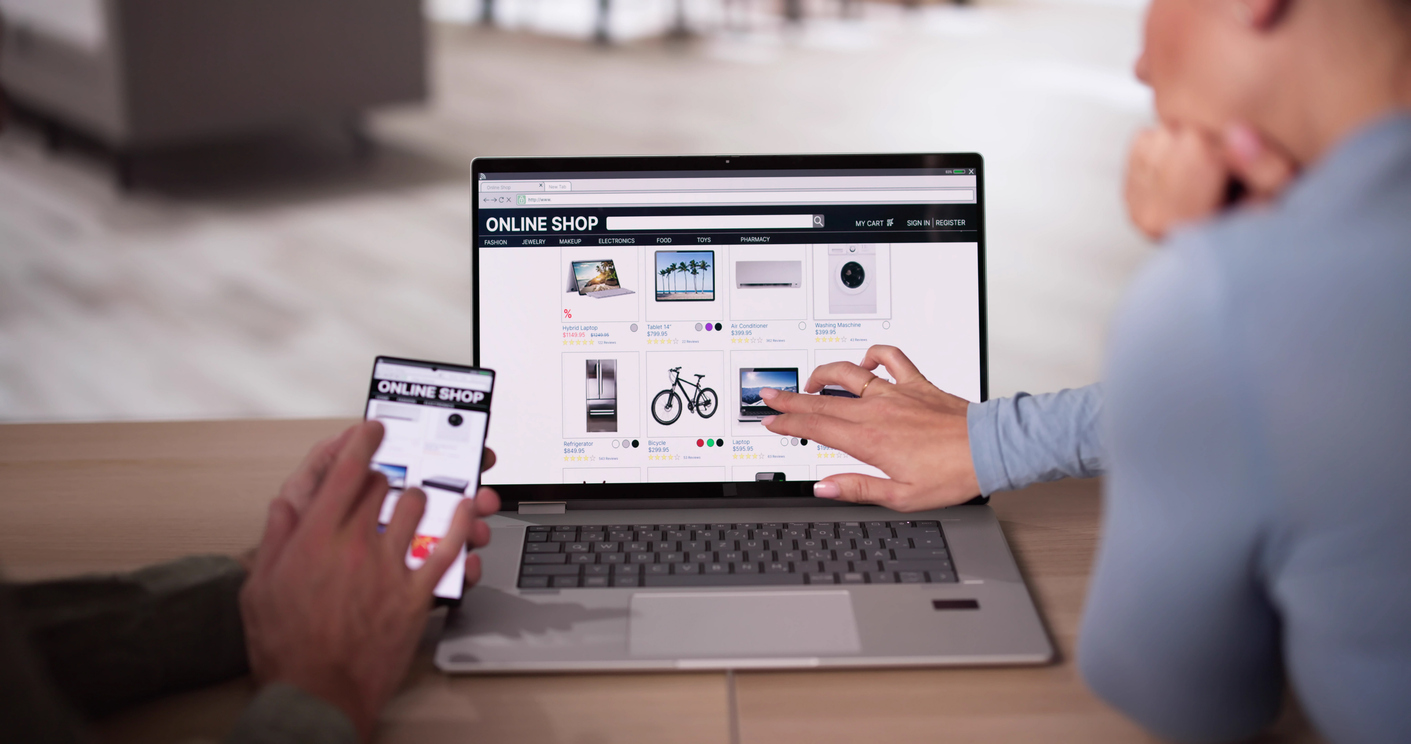
The growth of online sales and the increasing importance of platforms for both new and pre-owned bicycles are creating new opportunities for bike shops to sell their products far beyond their local markets. This is the view of Ship To Cycle, the logistics specialist for the cycling industry, whose services ensure that bicycles are delivered safely and reliably to their destination.
“The cycling market has changed dramatically, especially since the pandemic,” says Sean McLean, Sales & Business Development Manager at Sport & Event Logistics (SEL), the company behind Ship To Cycle. “For years, bike shops mainly operated at a local or regional level, with sales focused on their physical stores. Today, they must adapt to digitalization and e-commerce.”
Lowering the Barriers to Growth
According to McLean, changes in the market have accelerated this transformation.
“In the period following the pandemic, many retailers found themselves dealing with significant excess inventory. At the same time, a stable market for high-quality pre-owned e-bikes has emerged. Bicycles coming from leasing programs, trade-ins, or surplus stock are finding eager buyers well beyond the shop’s traditional customer base.”
“We see many bike shops looking for opportunities to grow, but logistics often becomes the limiting factor,” McLean continues. “With Ship To Cycle, we want to remove that barrier, allowing businesses to focus on sales, customer service, and building new customer relationships.”
A Specialized B2B Logistics Service
While SEL has long specialized in transporting sports equipment for events, athletes, and professional teams, Ship To Cycle was developed as a logistics solution specifically designed for the bicycle B2B market.
Bike shops can rely on the service whether they need to ship a single bicycle or multiple units. On average, Ship To Cycle delivers bicycles across Europe within two to five working days, while shipments to Canada and the United States typically take four to five working days.
“More and more retailers are combining their physical stores with e-commerce, online marketplaces, and social media sales. Many are reaching customers outside their traditional regions through platforms specializing in new and pre-owned bicycles. At the same time, they are looking for smarter ways to manage inventory. A bicycle that is difficult to sell locally may be highly sought after elsewhere in Europe.”
“The question today is no longer whether there is a market abroad, but how to serve that market efficiently.”
Logistics as Part of the Customer Experience
Shipping bicycles and cycling components requires special attention, as it involves multiple parties and several critical stages throughout the process.
Incorrect or incomplete addresses, lost shipping labels, inaccurate parcel dimensions, failed collections, unsuccessful deliveries due to customer absence, and even lost shipments can all disrupt the service. These challenges increase operational workload, generate additional costs, and create greater administrative complexity.
According to McLean, logistics has become an integral part of the overall customer experience.
“Consumers expect fast and reliable deliveries, regardless of where they are located. For bike shops, logistics is no longer just an operational process—it has become a key element of the service they provide.”
A Trusted Partner for Bike Shops
Ship To Cycle supports bike shops in the Netherlands and Belgium with both domestic and international shipments. The company works with multiple transport partners and offers logistics solutions specifically tailored to the unique requirements of bicycle products. Retailers benefit from a single point of contact for all their logistics needs.
McLean also highlights that Ship To Cycle offers competitive pricing. Shipping costs mainly depend on the destination and any additional services required, including dedicated insurance for bicycles and cycling accessories.
A Growing Opportunity
McLean believes that the internationalization of the bicycle market will continue to accelerate in the coming years. Online platforms and specialized marketplaces are making it easier than ever for retailers to reach customers across borders.
“The real question is no longer whether there is demand abroad, but how to serve international markets efficiently,” McLean concludes. “With the right logistics partner, bike shops can expand internationally with ease, without placing unnecessary pressure on their own organization.”