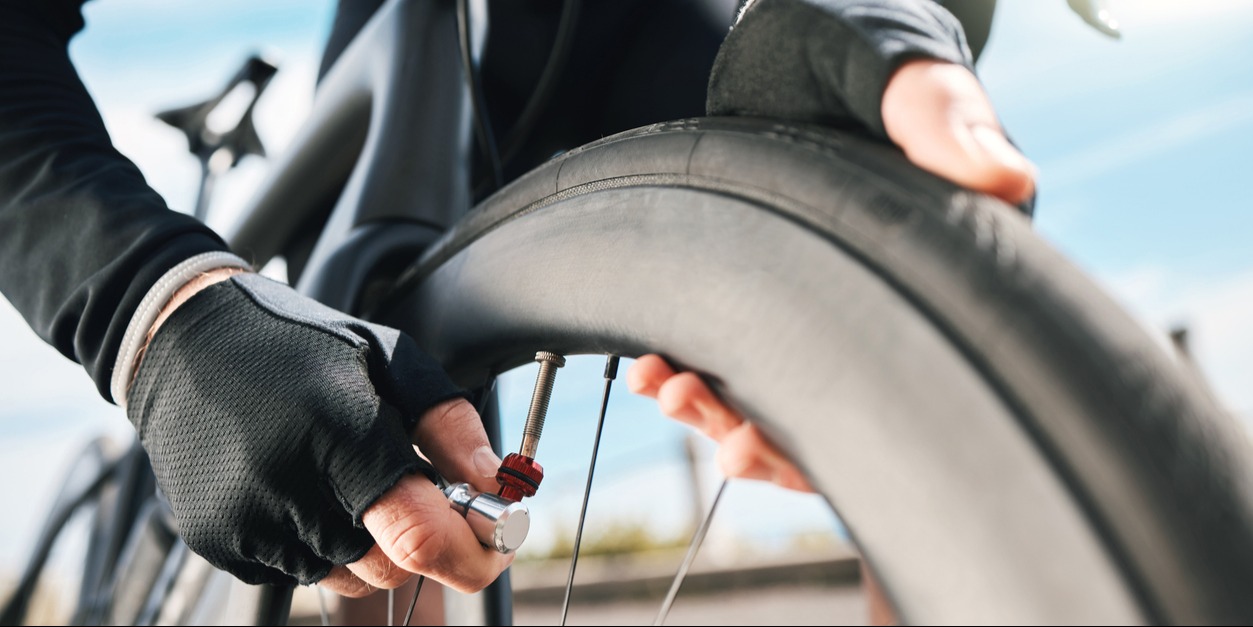
Triathlon bike maintenance: 7 tips to keep it performing at its best
In triathlon, every detail can make the difference between a good performance and a disappointing race. Training, nutrition and strategy are key elements, but there is one factor that is often overlooked: triathlon bike maintenance.
A bike designed for triathlon is very different from a traditional road bike. An aerodynamic frame, integrated components, an advanced cockpit and high-performance drivetrains all require attention and regular checks.
Looking after your bike doesn’t just mean keeping it fast and efficient, but also reducing the risk of problems during training and competitions.
In this guide, we’ll look at the key maintenance tips for a triathlon bike, useful for both amateur triathletes and more experienced athletes.
1. Always keep the drivetrain clean
The drivetrain is one of the most important components for ensuring efficient pedalling. A dirty chain, worn sprockets or insufficient lubrication can significantly reduce pedalling efficiency. Proper drivetrain maintenance should include:
- regular cleaning of the chain with specific detergents
- removal of dirt and debris from cassettes and chainrings
- lubrication of the chain after every wash
- checking the chain for wear
A clean drivetrain improves smoothness and can reduce power loss whilst cycling.
2. Check your braking system regularly
Although the aim in triathlon races is to maintain a constant speed and an aerodynamic position, brakes remain a key safety feature. Many modern triathlon bikes use integrated braking systems or disc brakes, which require regular checks. It is good practice to check:
- the condition of the brake pads
- the alignment of the calipers
- any unusual noises or vibrations
- the condition of the rotors (in disc brake systems)
Frequent checks ensure more precise and safer braking, especially during training on technical routes.
3. Check your tyre pressure and condition
Your tyres are your only point of contact with the road. For this reason, they must always be in perfect condition. Before every ride, it is advisable to:
- check your tyre pressure
- check for any cuts or small abrasions
- ensure that the tread is not excessively worn
Correct tyre pressure improves aerodynamics and smoothness, and reduces the risk of punctures.
4. Check bolts and components regularly
Triathlon bikes often use carbon components to reduce weight and improve aerodynamics. However, these materials require greater care when tightening bolts. It is important to check the following regularly:
- stem
- aerobars
- seat post
- bottle cages
- cycle computer mounts
Using a torque wrench ensures you adhere to the torque settings specified by the manufacturers, preventing damage to components.
5. Keep your gear system in good working order
Many modern triathlon bikes are fitted with electronic groupsets, which offer precise and fast gear changes but require specific checks. Check regularly:
- the battery status of the electronic groupset
- gear-shifting precision
- any firmware updates
- cleanliness of the derailleurs
A perfectly adjusted gear system ensures smooth transitions between gears, which are essential during long races or routes with significant elevation changes.
6. Protect your bike during transport
Triathletes and cycling enthusiasts often take part in races and training camps away from home. During transport, your bike may be exposed to knocks or vibrations that could damage delicate components. To protect your bike whilst travelling, it is advisable to:
- remove sensitive components such as wheels and pedals
- protect the frame with padding
- secure the bike properly in the transport case
- check the bike before the race
Proper transport management is an integral part of preparing your triathlon bike for competitions.
7. Schedule regular checks at the workshop
Even with regular maintenance carried out yourself, it is important to schedule professional checks at least once or twice a year. A specialist mechanic can check:
- the bottom bracket
- wheel bearings
- derailleur alignment
- the general condition of the components
These checks allow any problems to be identified before they become more serious.
Preparing your bike means preparing for the race
Proper maintenance of your triathlon bike not only keeps it fast and efficient, but also ensures safety and reliability during training and competitions.
When every second counts, having a bike in perfect working order allows you to focus solely on your performance.
And if your next triathlon is far from home, transporting your bike becomes an important part of your preparation.
With Ship To Cycle, you can ship your bike directly to the race venue or training camp, travelling light and finding your kit ready and waiting on arrival.
Because in triathlon, every detail counts, even before the start.